
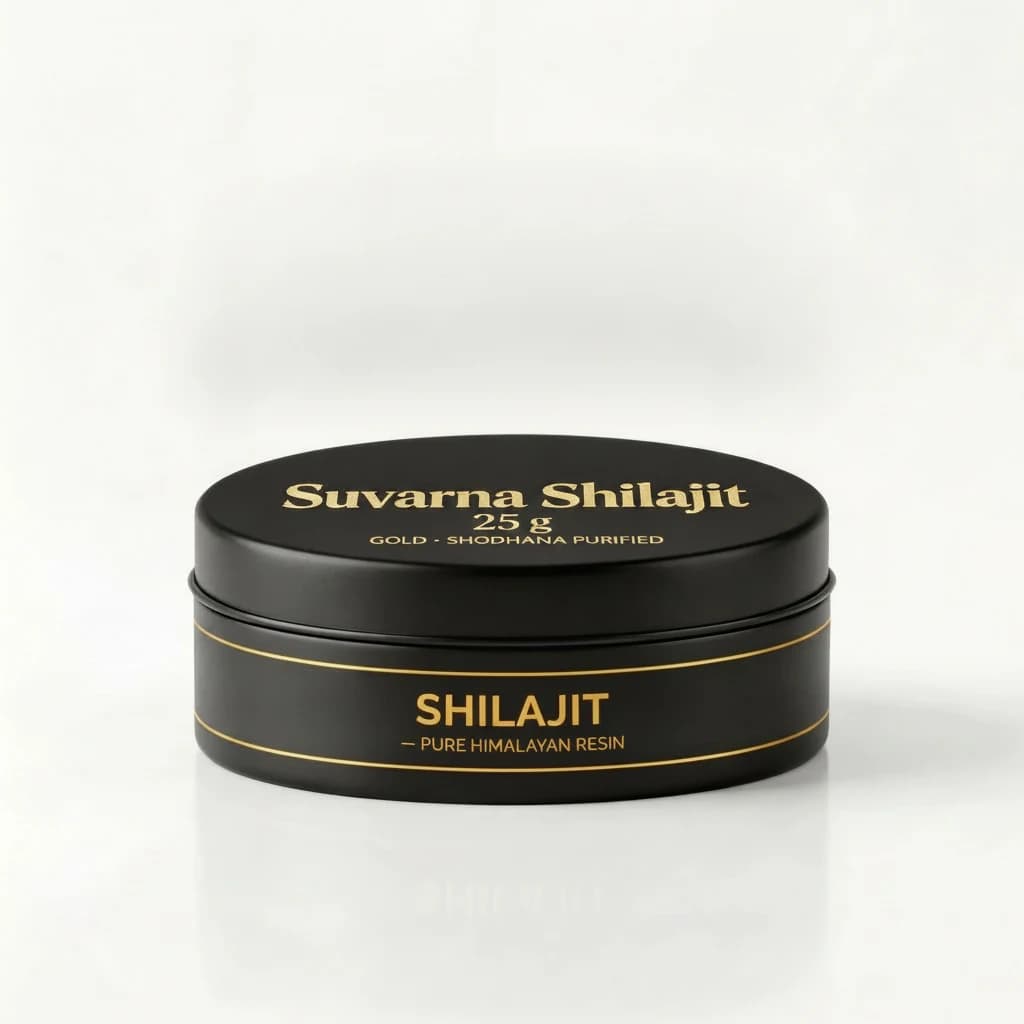
 Sold out
Himalayan superfood
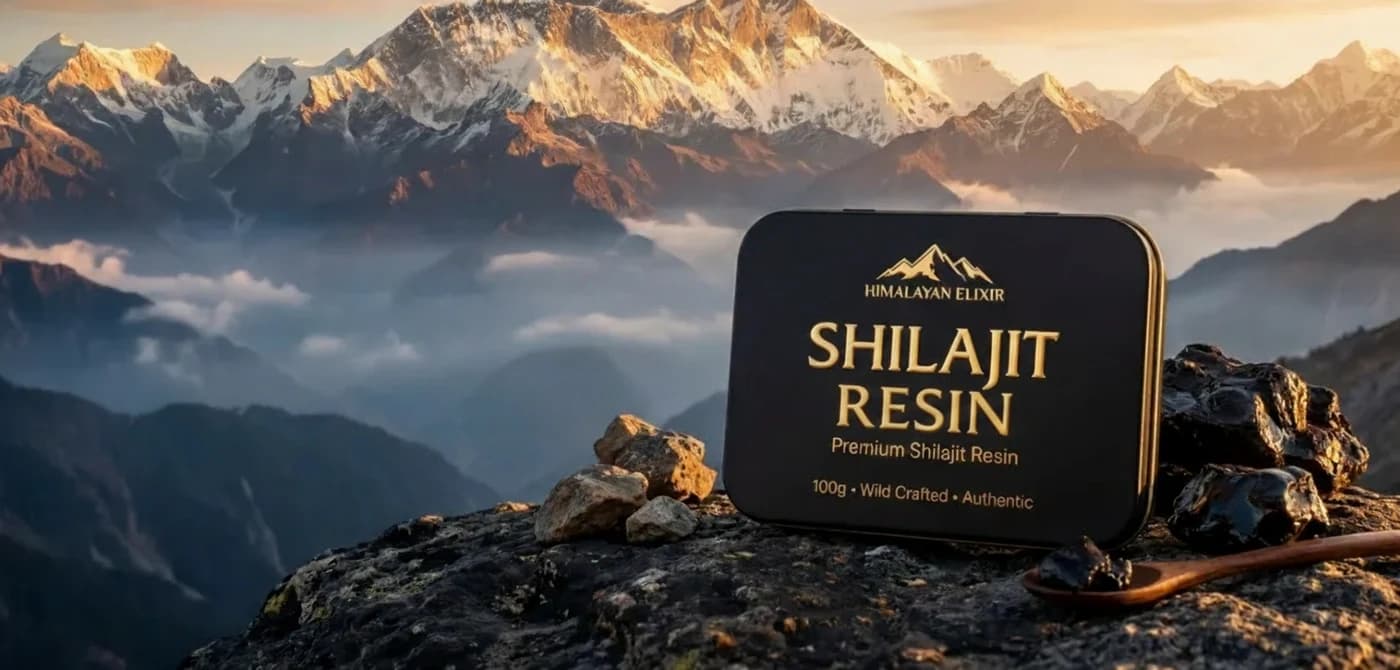
Pure Himalayan Shilajit
Hand-collected at altitudes above 4000 meters in the remote regions of the Nepalese and Indian Himalayas, in cooperation with local Sherpa communities who have known the best deposits for generations.
Himalayas, 4000m+ 70.95% fulvic acid 85+ trace minerals
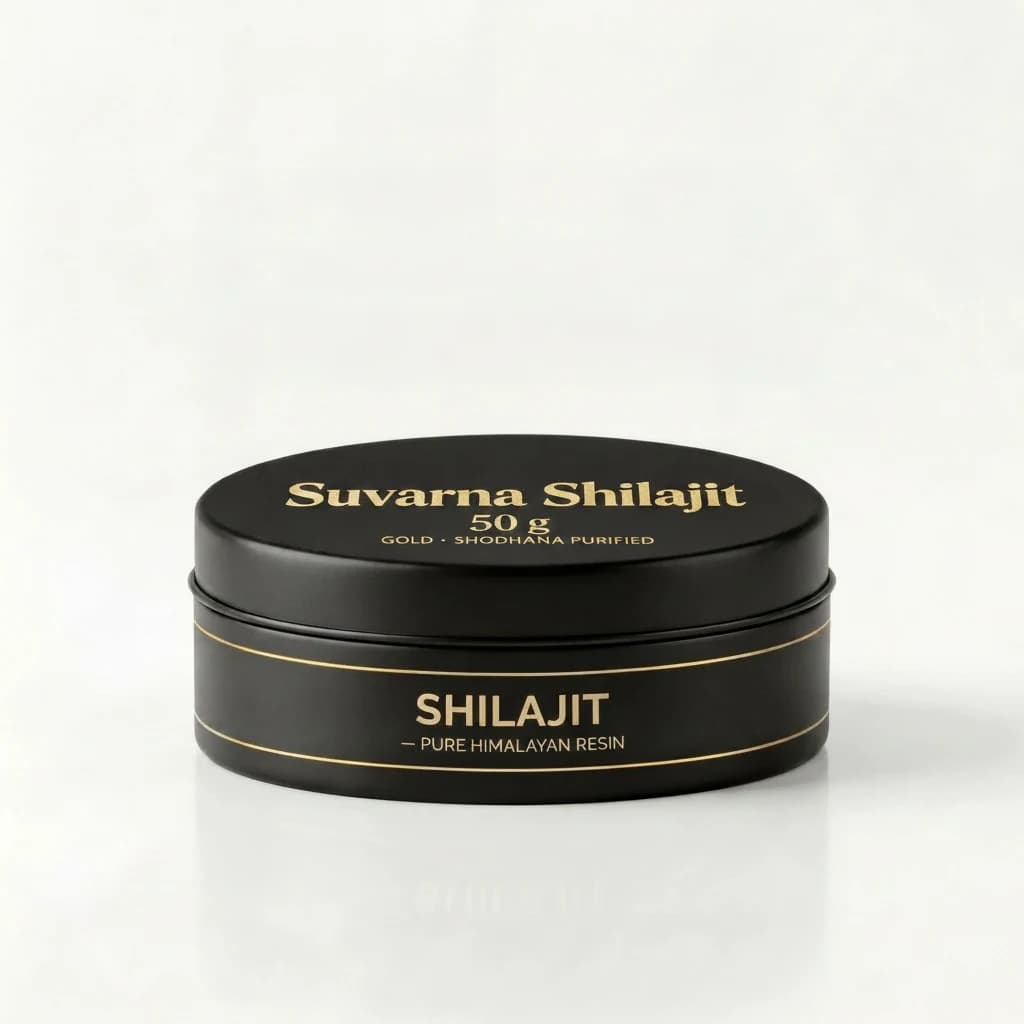
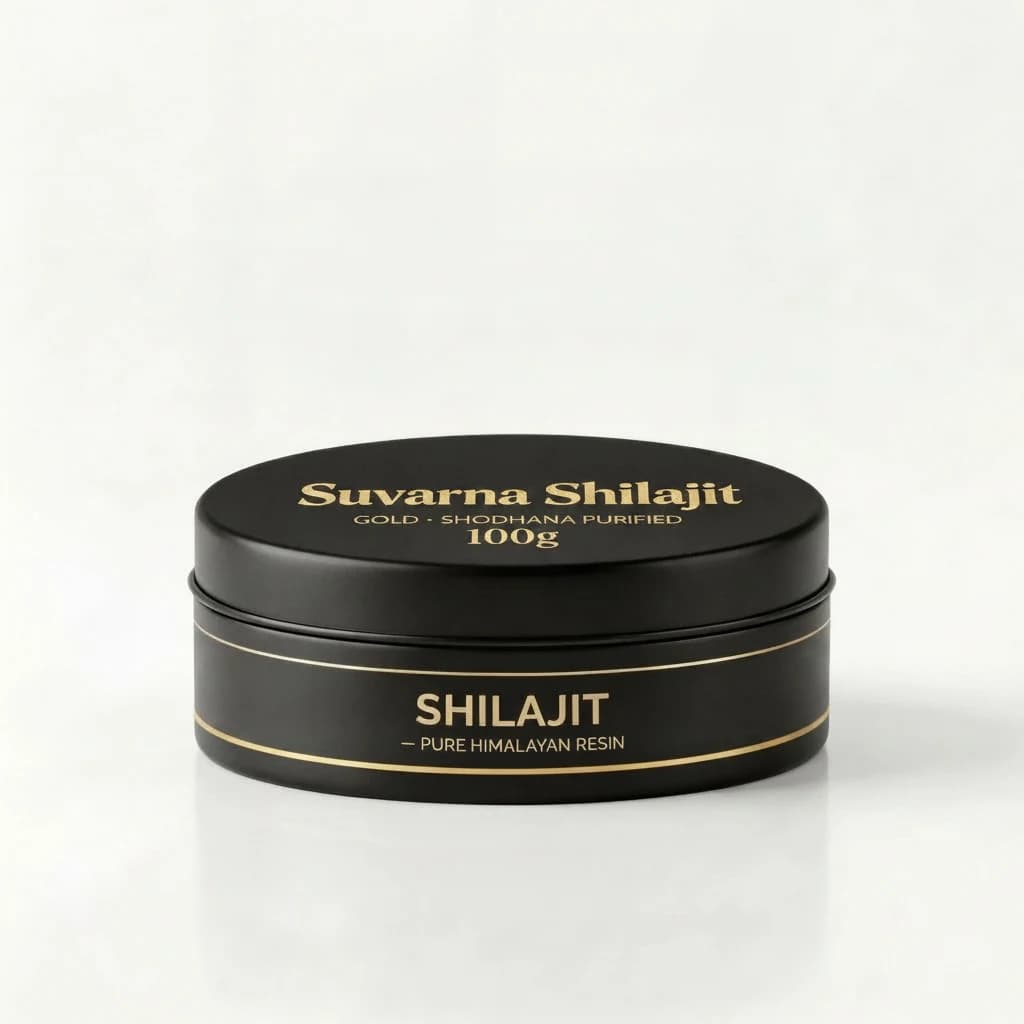
Our Shilajit range
6 products
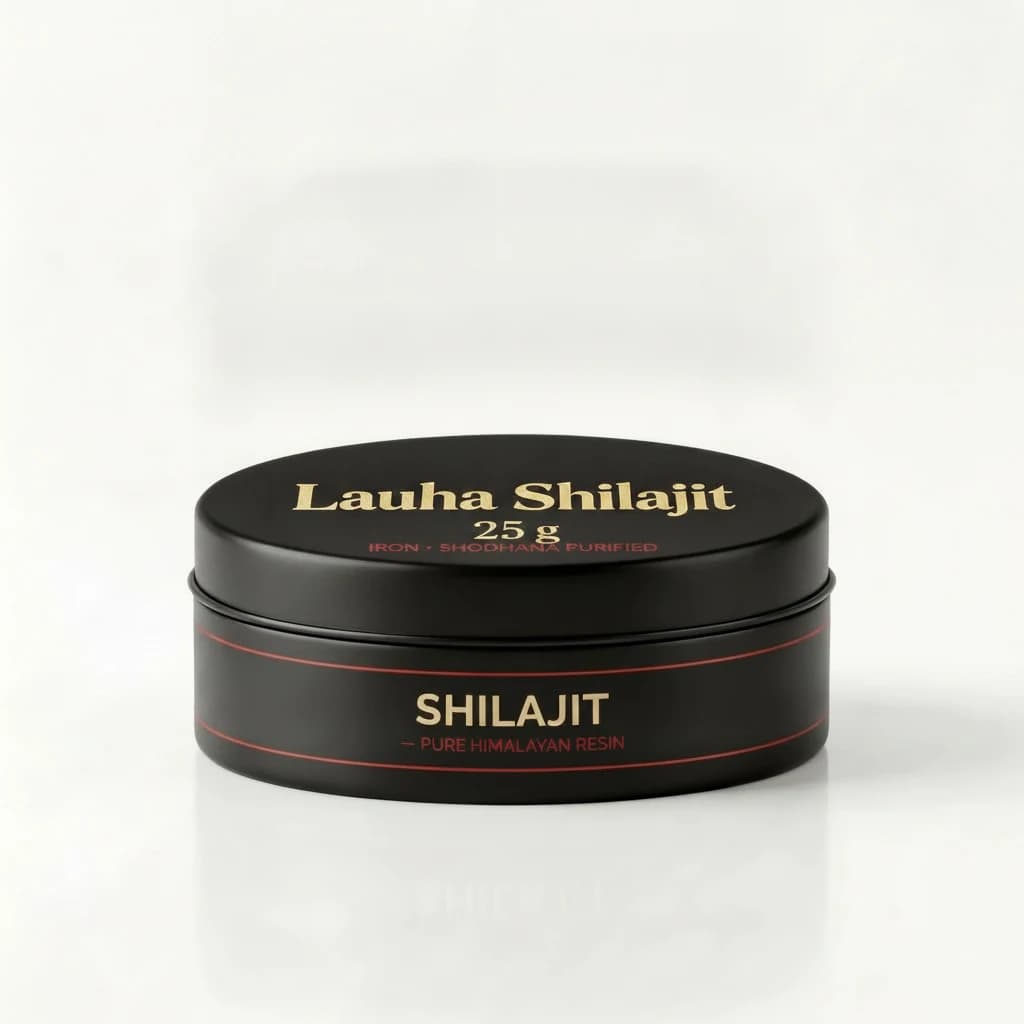
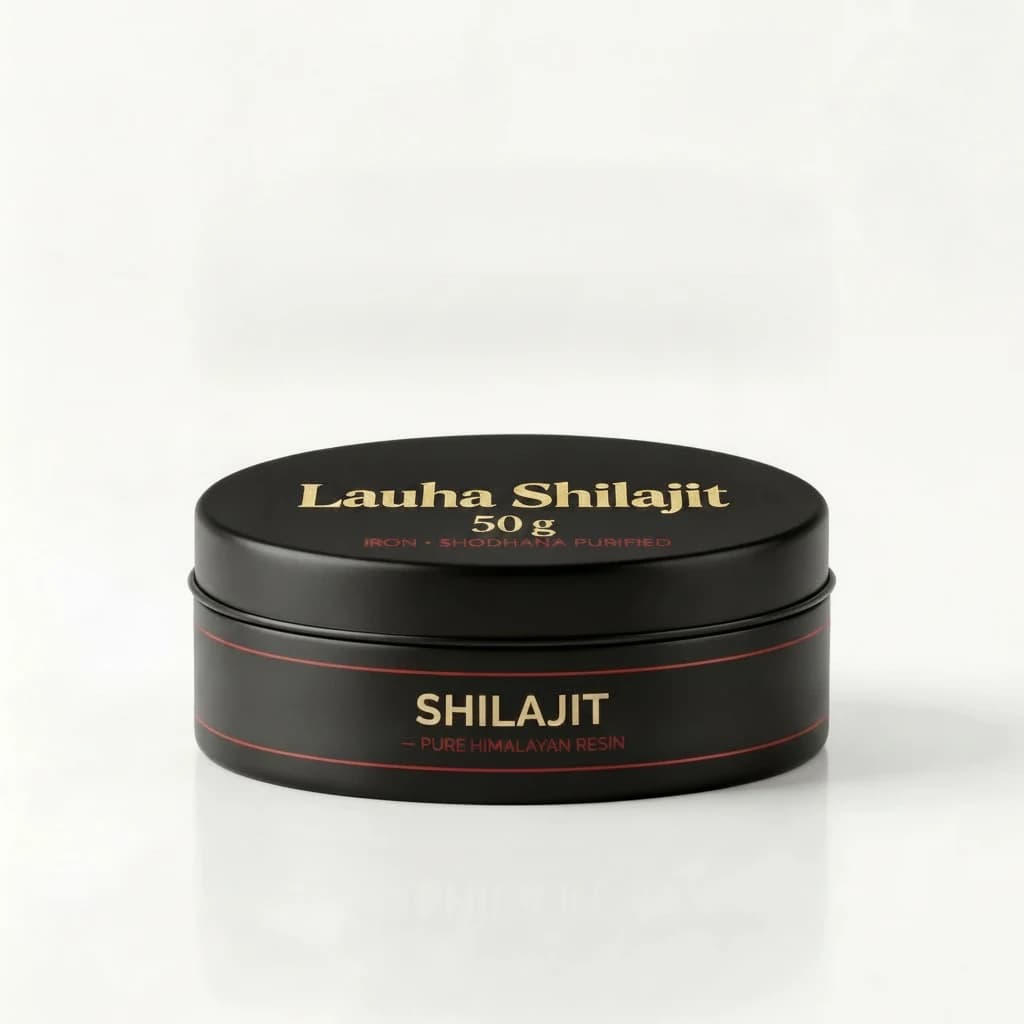
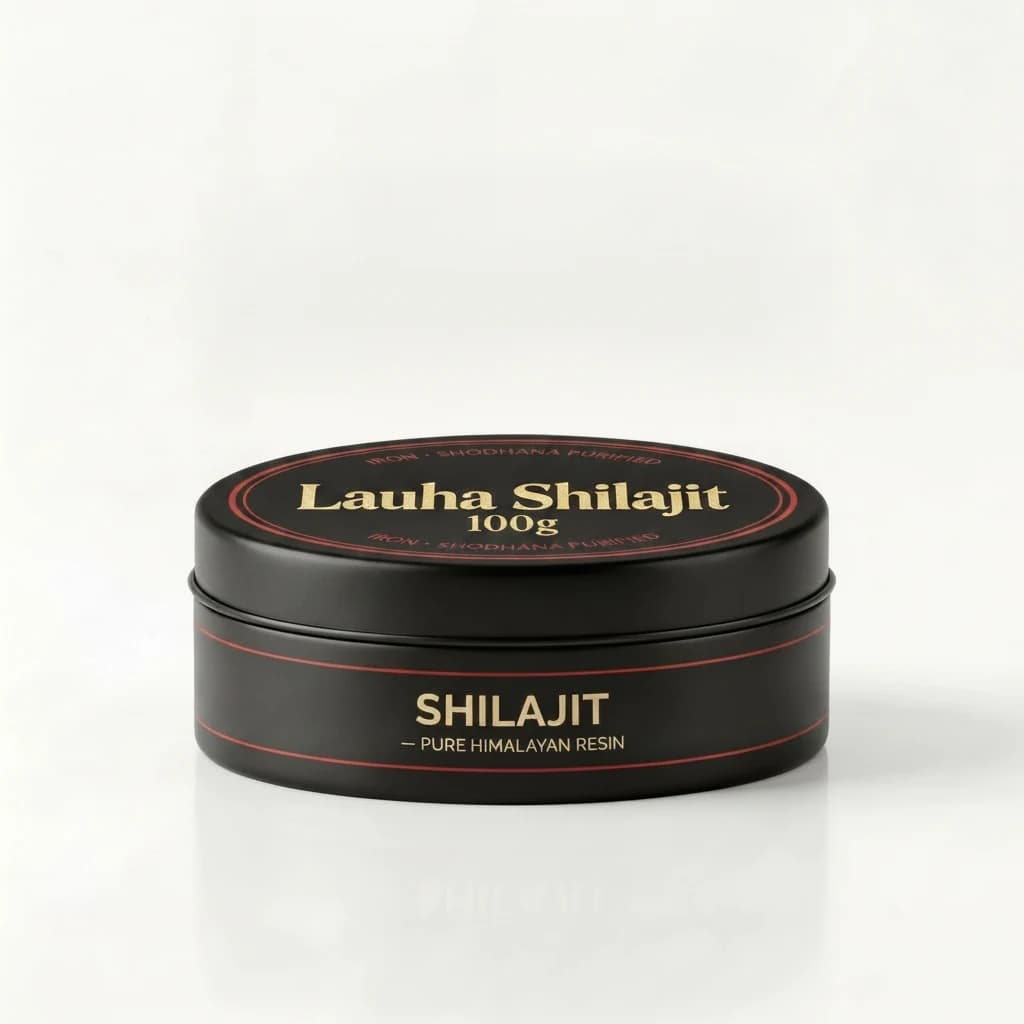
Traditionally used in Ayurveda for millennia
Why Shilajit
Himalayan source
Hand-collected at altitudes above 4000m. Traditionally used in Ayurveda for millennia.
70.95% fulvic acid
Laboratory-confirmed high concentration — exceeds the standard for premium shilajit (min. 60%). COA available.
85+ trace minerals
Rich mineral composition — 14 lab-confirmed (calcium, magnesium, zinc, iron, manganese, and others).
Traditional preparation
Purified using the classical Shodhana method with Triphala (Amalaki, Bibhitaki, Haritaki) — no chemicals, no accelerated process.
Energy & vitality
Natural support for daily energy, stamina and the body's resilience against fatigue.
Focus & clarity
Supports mental clarity and concentration through demanding days.
Recovery
Supports recovery and renewal — ideal in the evening before bed for better regeneration.
No additives
No preservatives, no artificial additives, no fillers — just pure Himalayan resin.
From the Himalayas to your table
The raw resin is hand-collected at altitudes above 4000 meters, where shilajit slowly seeps from the rocks under the warmth of the sun. Our partners from local Sherpa communities have known the best deposits for generations — no middlemen, no resale.
Traditional Shodhana method
The raw resin is purified using the traditional Ayurvedic method known as Shodhana — soaking in a Triphala decoction (three sacred fruits: Amalaki, Bibhitaki and Haritaki) for 24 hours, then filtered and slow sun-dried. The process is repeated multiple times until all impurities are removed.
Why Triphala? During the Shodhana process, gallic acid from Triphala naturally infuses into the shilajit — a powerful antioxidant that enhances cell protection. The result: milder taste, more pleasant aroma, better absorption and additional antioxidant protection — all without chemicals, without an accelerated process. The same method used for millennia.
Two types: Suvarna and Lauha
Suvarna — mild and purified
Purified with Triphala herbs (Shodhana). Mild, pleasant taste without intense smell — ideal for beginners and daily use. 70.95% fulvic acid.
Lauha — raw and intense
The rare Lauha (iron) type, according to Astanga Hrdayam "the best of all types". Collected at 5000m+, minimally processed — rich in iron, strong taste and smell. Fast acting (3-7 days).
Laboratory analysis (COA)
Quality confirmed in a NABL-certified laboratory (ITC Lab Panchkula, ISO 17025). 70.95% fulvic acid, heavy metals within EU limits, no cholesterol and no trans fats.
PDF · COA no. ICA-2409120060
Frequently asked questions
How is shilajit taken and what amount is typical?
The typical daily amount is 300-500 mg — a pea-sized amount dissolved in warm (not hot) water, tea or milk. It is traditionally taken in the morning on an empty stomach. Follow the directions on the packaging, and if you have health questions or chronic conditions, talk to a doctor before use.
What is the difference between the Suvarna and Lauha types?
Suvarna is purified with Ayurvedic herbs (Triphala), so it has a milder taste and a more pleasant smell — a good choice for beginners. Lauha is minimally processed, richer in iron and more intense in taste and smell. Both come with the same lab analyses; the choice depends on your taste preferences.
Why does real shilajit have such a strong smell?
The strong, earthy smell is a natural characteristic of raw, minimally processed shilajit, especially the Lauha type. In traditional Ayurvedic texts, it is precisely the intense smell that is associated with the unprocessed resin. If the smell is too strong for you, dissolve it in milk instead of water.
How do I recognise high-quality shilajit?
Look for a lab analysis (COA) from an accredited laboratory that states the fulvic acid content and confirms that heavy metals are within EU limits. Our shilajit comes with an analysis from a NABL-certified lab (70.95% fulvic acid, 85+ minerals). Without such documentation, the origin and purity cannot be verified.
How do I store shilajit and how long does it last?
Store it at room temperature, away from direct sunlight and moisture — ideally in a glass container. The resin is naturally stable, and our packs have a shelf life of up to 4 years. Do not introduce moisture into the container.
Dietary supplement — not a substitute for a balanced diet and a healthy lifestyle. Consult a doctor before use, especially with chronic conditions and during pregnancy or breastfeeding. Keep out of reach of children.