
 Sold out
Heirloom tomato varieties
Seeds of old tomato varieties
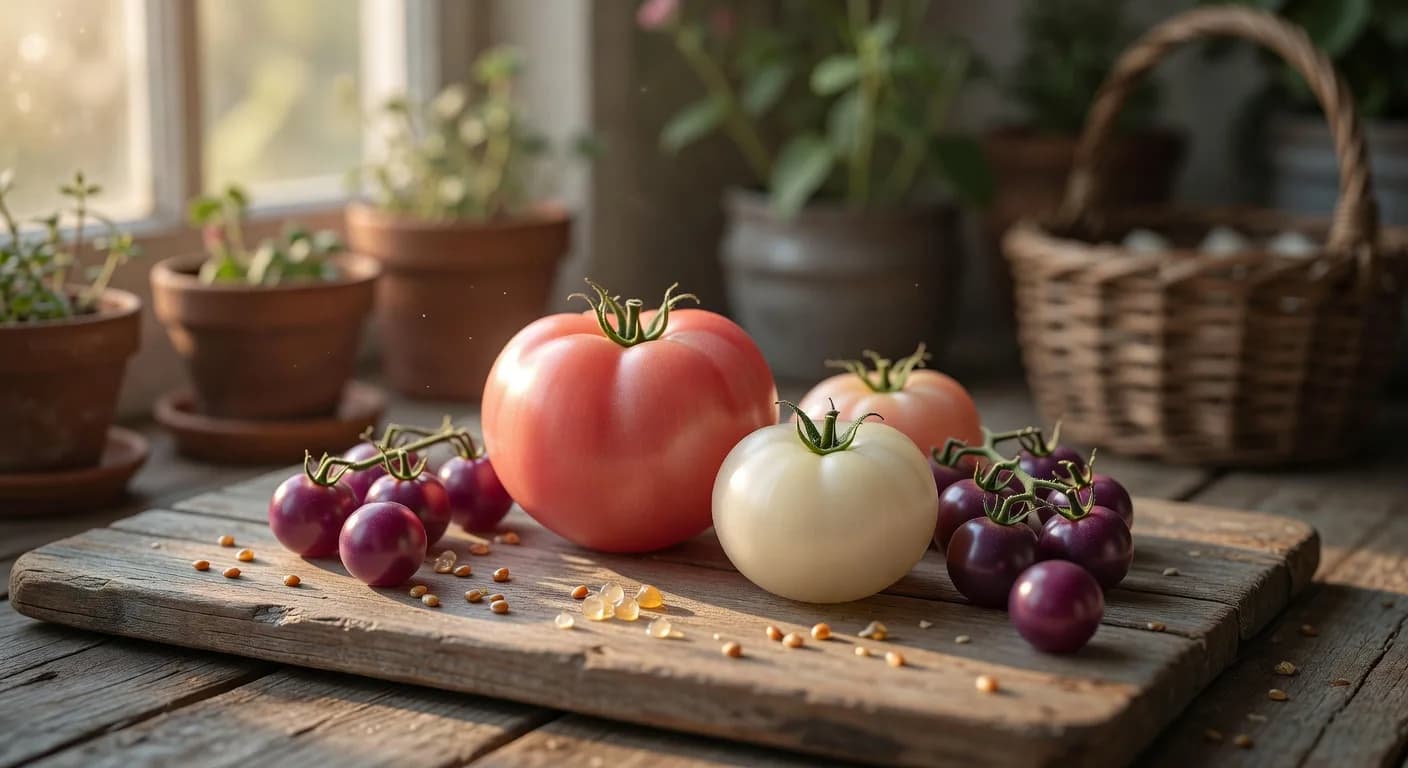
Heirloom tomato varieties grown for generations — selected purely for flavour, not for transport. Non-GMO, open-pollinated (you can save seed for the next season) and perfect for the garden or balcony.
Non-GMO Open-pollinated For garden & balcony
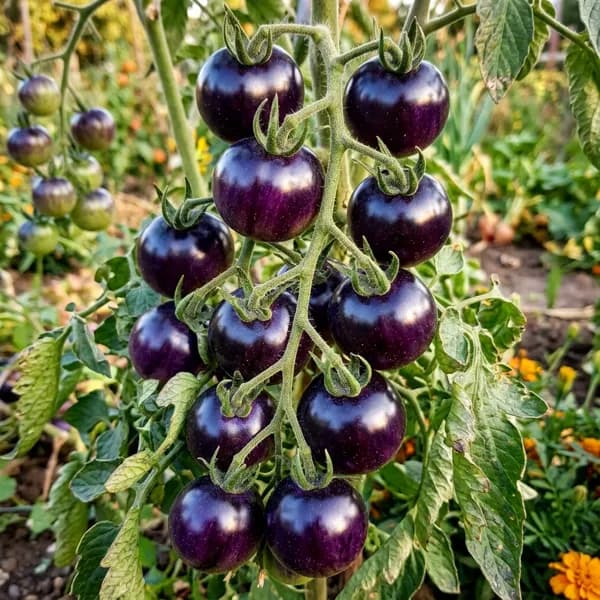
A flavour supermarket tomatoes simply can't offer
Why old varieties
Heirloom varieties
Varieties grown for generations, some for over 150 years. Preserved and passed down from generation to generation.
Selected for flavour
Unlike commercial varieties bred for transport and shelf life, these were chosen purely for rich, real tomato taste.
Non-GMO
100% natural, open-pollinated varieties. No genetic modification and no chemical seed treatment.
Save your own seed
Open-pollinated varieties — save seed from ripe fruit for the next season. Buy once, grow for years.
For sunny spots
Tomatoes love sun — at least 6 hours a day. Ideal for a Mediterranean climate and warm summer days.
Garden or balcony
Grow in a bed, raised bed or large pot on the balcony and terrace. With support (stake or net) they thrive in a container too.
Rich in nutrients
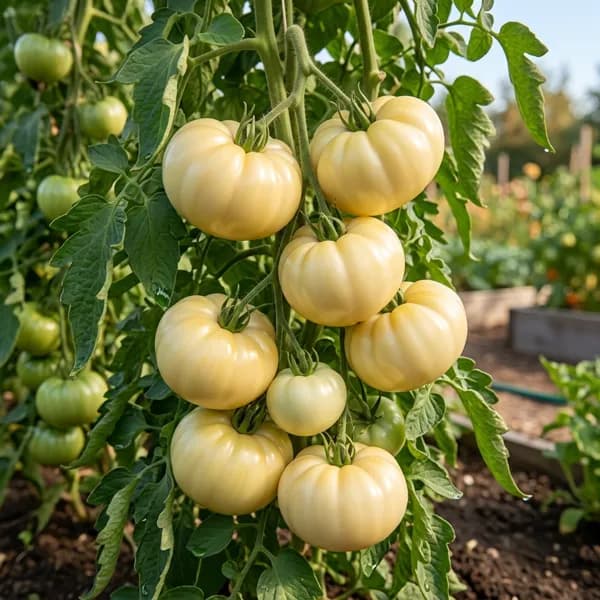
Lycopene, vitamin C, potassium and antioxidants. Colourful varieties (yellow, green, purple) carry extra plant pigments.
30 seeds per pack
Each pack contains 30 seeds of tested germination — enough for the whole season and to share with friends.
Why old varieties
Commercial supermarket tomatoes are bred to be transport-resistant, long-lasting and all look the same. The price for that is flavour — bland, watery tomatoes that smell of nothing. Heirloom varieties go the opposite way: they were selected purely for flavour, aroma and character.
All of our varieties are open-pollinated, which means you can save seed from ripe fruit and grow an identical plant next year. It's a millennia-old gardening tradition — buy seed once, then multiply it yourself for years. No GMO, no hybrids that yield no usable seed, no dependence on the store.
Sow, harvest, enjoy
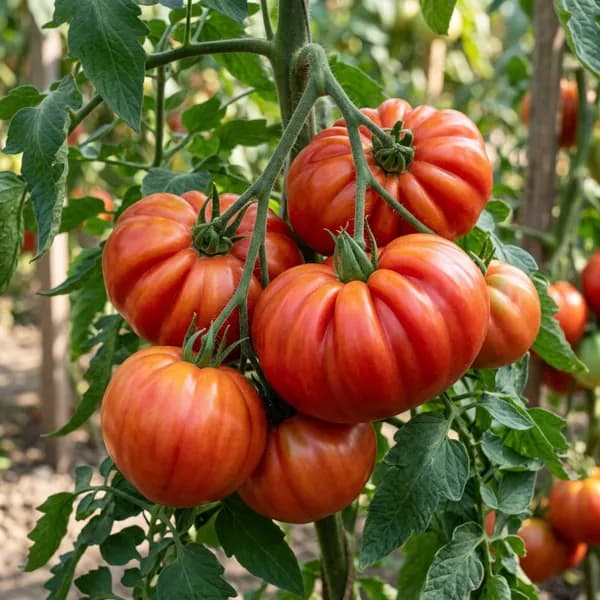
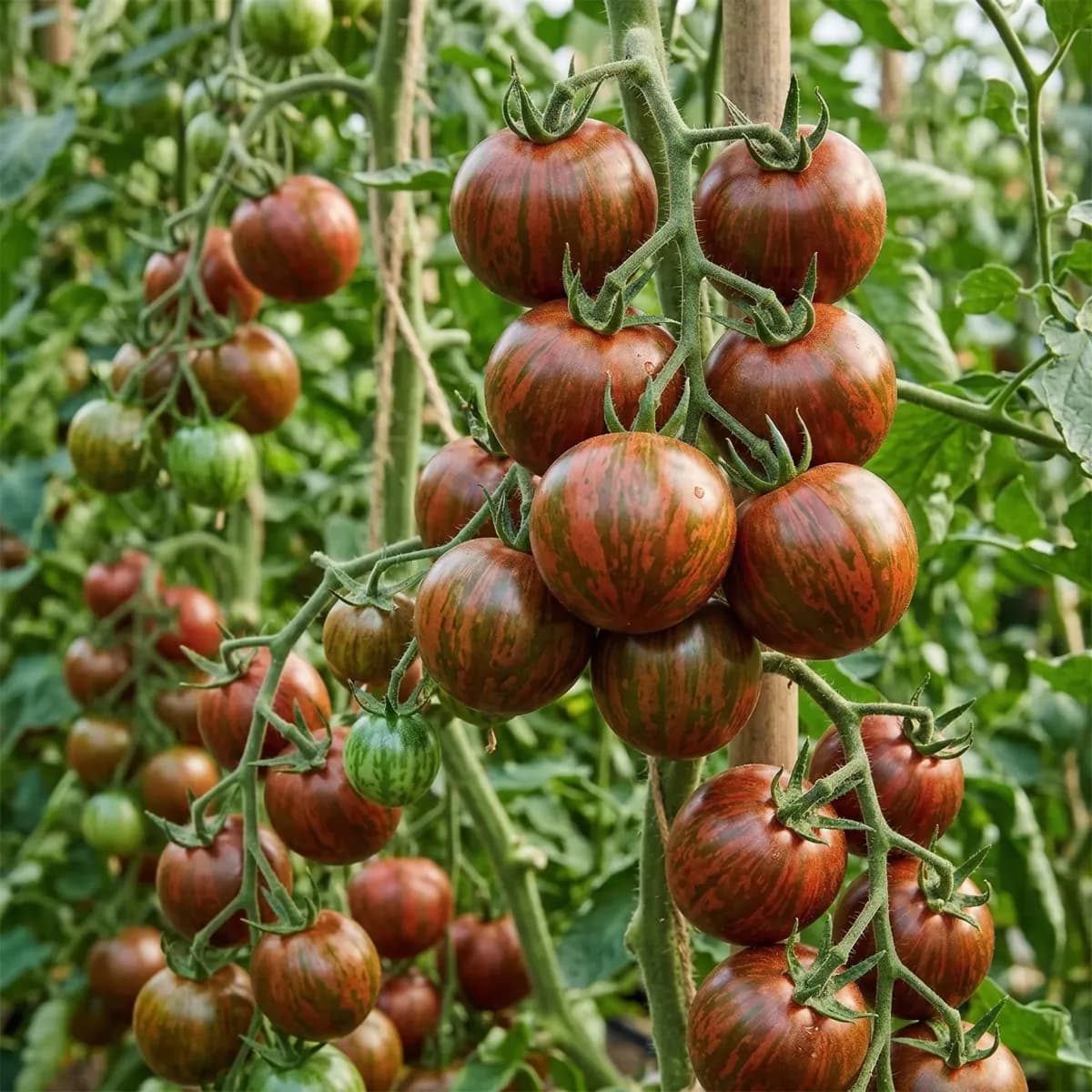
Sow indoors 6-8 weeks before the last frost (February-March), and transplant the young plants outdoors once the frosts have passed. With enough sun, regular watering and support, the first ripe tomatoes arrive 70-85 days after transplanting — from the classic Oxheart (Volovsko Srce) to the spectacular green-striped Green Zebra and the indigo cherry Blue Pearl.
Frequently asked questions
What does heirloom variety mean and why should I choose it?
Heirloom varieties are old, open-pollinated varieties passed down over generations and selected exclusively for flavour, not for transport or long storage. That is why they are far superior in taste to commercial hybrids. All our seeds are GMO-free.
Can I save seed from the fruits I grow?
Yes, this is a big advantage of heirloom varieties. Because they are open-pollinated, the seeds keep the traits of the parent plant. Take the seeds from a fully ripe fruit, rinse them, dry them well and store them in a dry, dark place until the next season.
When and how do I sow tomato seeds?
Sow indoors (in the house or a greenhouse) 6-8 weeks before the last frost, roughly in February or March. Once all frosts have passed, transplant the young plants outdoors to a sunny spot. Indeterminate varieties grow tall (120-180 cm) and need support: a stake, cage or trellis.
How many seeds do I get and what is the germination rate?
Each pack contains 30 seeds. Under the right conditions — warmth (22-26 °C), moisture and light after germination — the germination rate is high. We recommend sowing a few more seeds than the number of plants you need, in case some do not sprout.
How long does seed stay viable and how do I store it?
Tomato seeds stay well viable for several years if stored dry, cool and dark in a sealed bag. The main enemies are moisture and heat. Keep them away from the bathroom and windows: a jar with a silica gel sachet is ideal.
The seed is intended solely for growing plants, not for consumption. Germination depends on the growing conditions (temperature, moisture, light). Store in a dry, cool place, out of reach of children.